1. Understanding the Geography: Rasuwa is a Separate World
To understand why your trek is safe, it helps to look at a map of Nepal’s geography. The Himalayas span hundreds of miles, divided by massive mountain ridges, distinct weather microclimates, and entirely independent river systems.
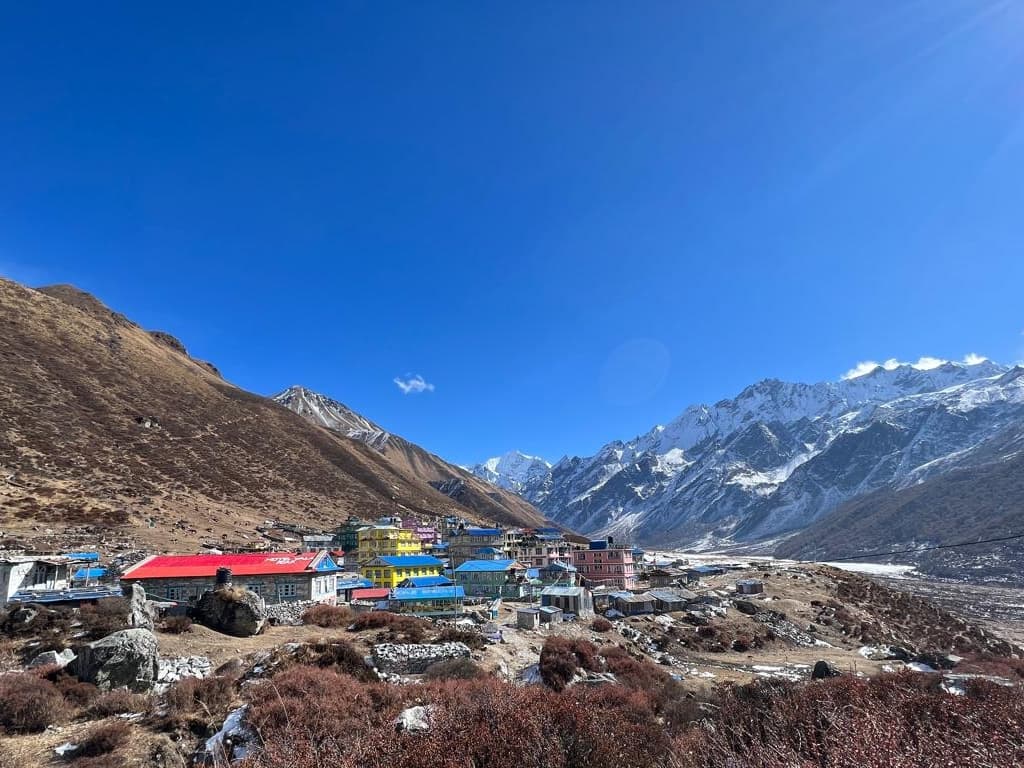
The recent flood was concentrated strictly in the Rasuwa District along the northern border, primarily affecting the Bhote Koshi and Trishuli river corridors.
Because these trail systems sit in completely different river basins miles away, the infrastructure and trails in Everest, Annapurna, and Manaslu experienced zero impact from the events in Rasuwa. A localized event in one river corridor does not mean the rest of the mountain range is compromised.
2. A Closer Look at the Safe Trekking Hubs
If you are wondering about the status of your specific itinerary, here is the ground reality across Nepal's premier trekking destinations:
The Everest Region (Khumbu)
· Status: Fully Open & Operational
· Access: International flights to Kathmandu, domestic flights to Lukla, and overland routes via Ramechhap/Manthali are running as normal.
· Trails: The classic routes to Everest Base Camp, Gokyo Lakes, and the Three Passes lie in the Dudh Koshi river basin—hundreds of kilometers east of Rasuwa. Teahouses, suspension bridges, and high passes are completely clear.
The Annapurna Region
· Status: Fully Open & Operational
· Access: The highway from Kathmandu to Pokhara, as well as domestic flights between the two cities, are operating as scheduled.
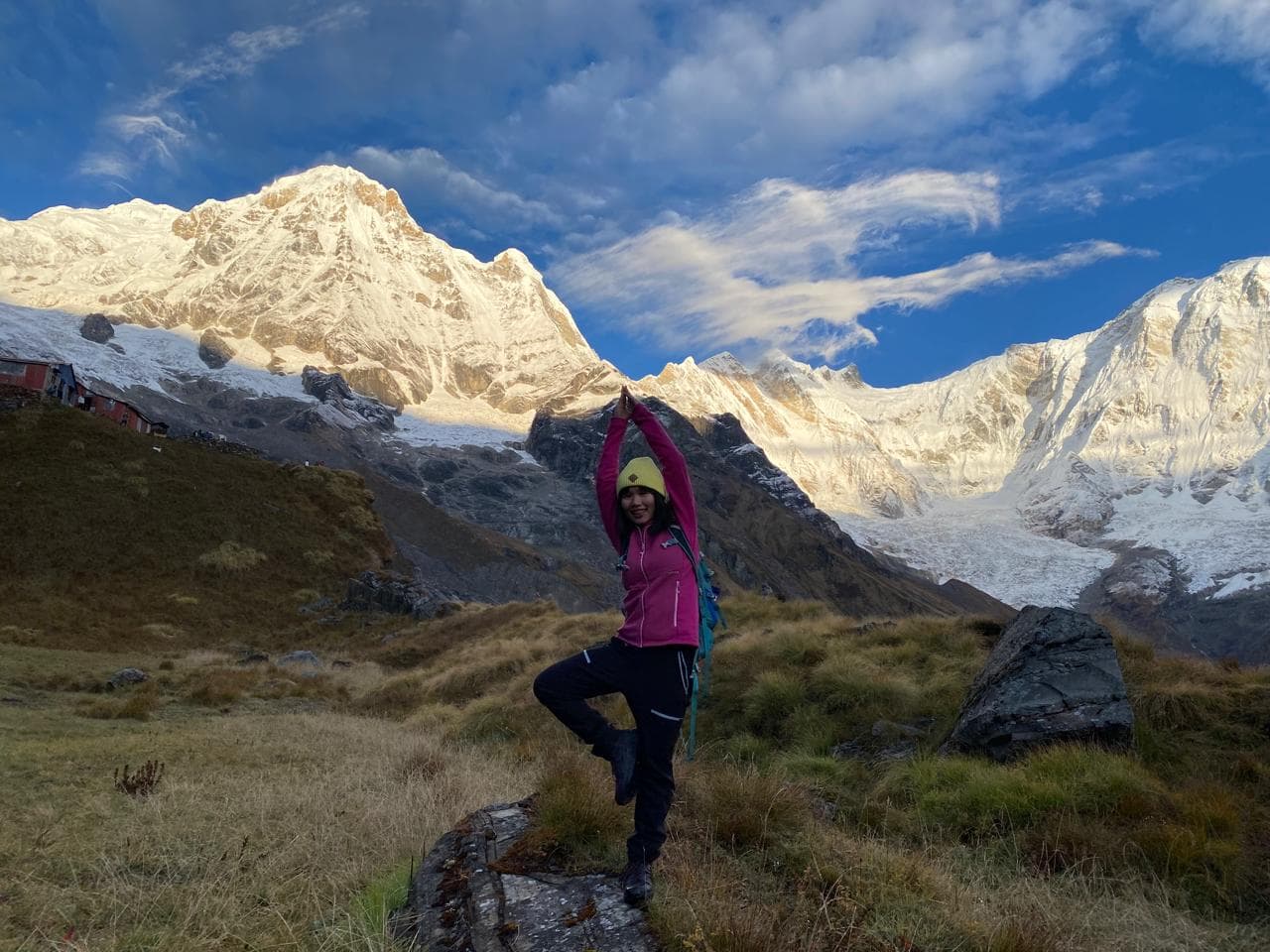
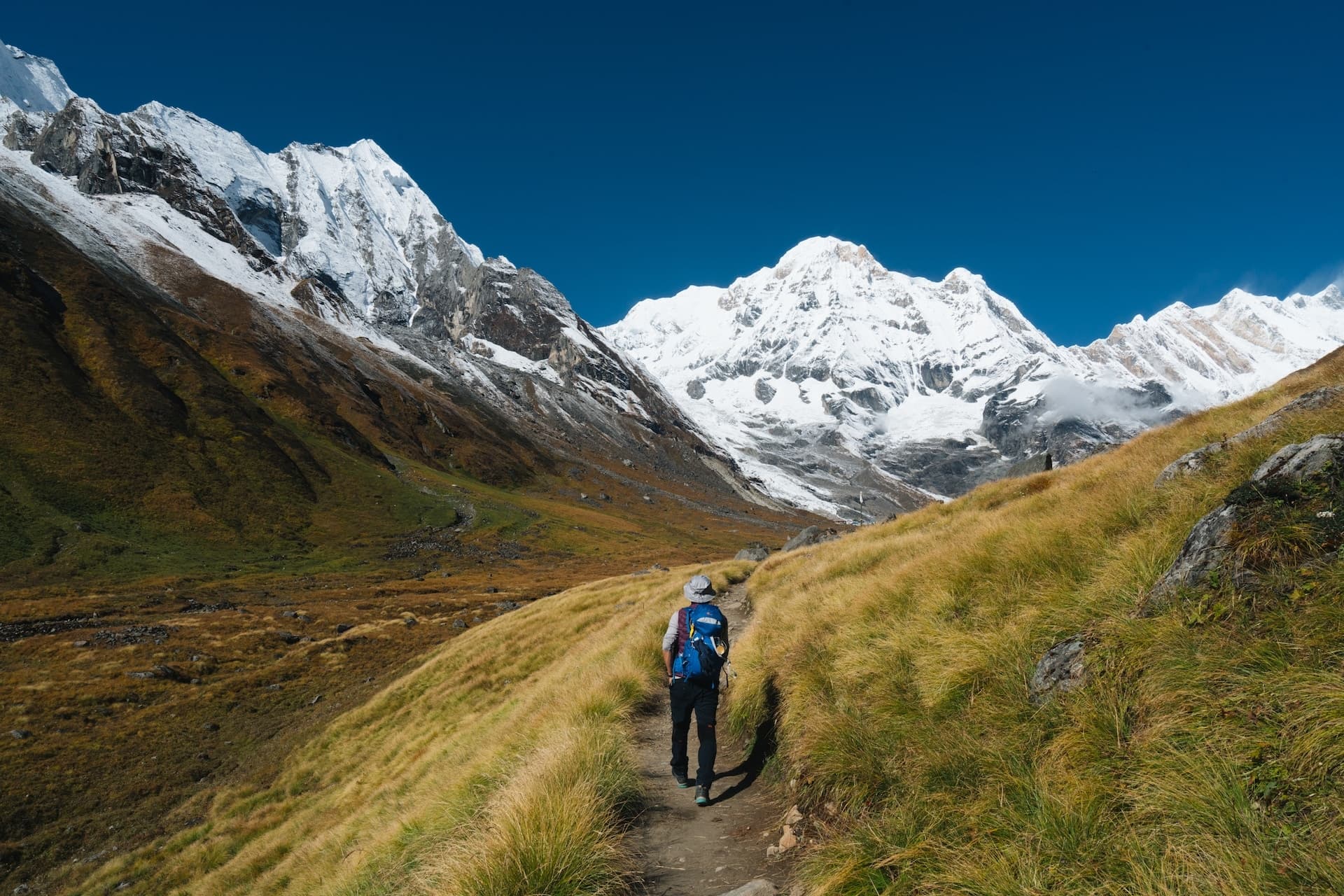
· Trails: Whether you are doing the Annapurna Circuit, Annapurna Base Camp, Mardi Himal, or Ghorepani Poon Hill, the trails are fully accessible. The region relies on the Marsyangdi and Kali Gandaki river networks, completely removed from Rasuwa's geography.
The Manaslu Circuit
· Status: Fully Open & Operational
· Access: The entry points for Manaslu (accessed via Gorkha district and the Benighat/Arughat corridors) bypass the affected zones.
· Trails: The stunning trek around Mount Manaslu traces the Budhi Gandaki river. Local authorities and operators confirm that tea houses, trails, and high-altitude checkpoints are prepared to welcome autumn trekkers.
3. Tourism as Direct Relief: Why Your Journey Matters Right Now
Canceling a trip out of caution might seem like a safe or respectful choice from abroad, but on the ground in Nepal, blanket cancellations do far more harm than good.
Nepal's economy relies heavily on adventure tourism. Thousands of local citizens—guides, porters, tea house owners, jeep drivers, cooks, and artisans—depend on the autumn and spring trekking seasons to support their families for the entire year.
"When tourists cancel trips to unaffected regions like Everest or Annapurna, the economic fallout hurts families who were never in the path of the flood."
When you choose to keep your booking, your tourism dollars go directly toward:
1. Sustaining Local Livelihoods: Ensuring mountain workers can earn a living wage during peak season.
2. Boosting the National Economy: Providing revenue that helps the government and local communities fund disaster response and infrastructure rebuilding in the affected areas.
3. Preventing Secondary Crises: Keeping local businesses afloat so that mountain communities do not face widespread financial hardship alongside natural challenges.
Refusing to let panic dictate your travel plans is one of the most practical, impactful ways you can support Nepal right now.
4. Practical Tips for a Safe and Responsible Trek
While the major regions are open and safe, responsible mountain travel always requires good planning. If you are heading to Nepal this season, keep these simple, actionable tips in mind:
· Book with Experienced Local Agencies: Partner with registered, reputable local agencies. They have real-time ground contacts and can adjust transportation or schedules seamlessly if weather patterns shift.
· Verify Routes, Don't Rely on Panic: Always check with your local operator, the Trekking Agencies' Association of Nepal (TAAN), or local authorities for trail updates rather than relying on generalized news headlines.
· Build in Buffer Days: Whether it's potential flight delays into Lukla or mountain road travel, having 1–2 flexible days in your itinerary keeps your trip stress-free.
· Get Comprehensive Travel Insurance: Ensure your policy covers high-altitude trekking and medical evacuation—a standard requirement for any Himalayan adventure.
The Mountains Are Ready—Are You?
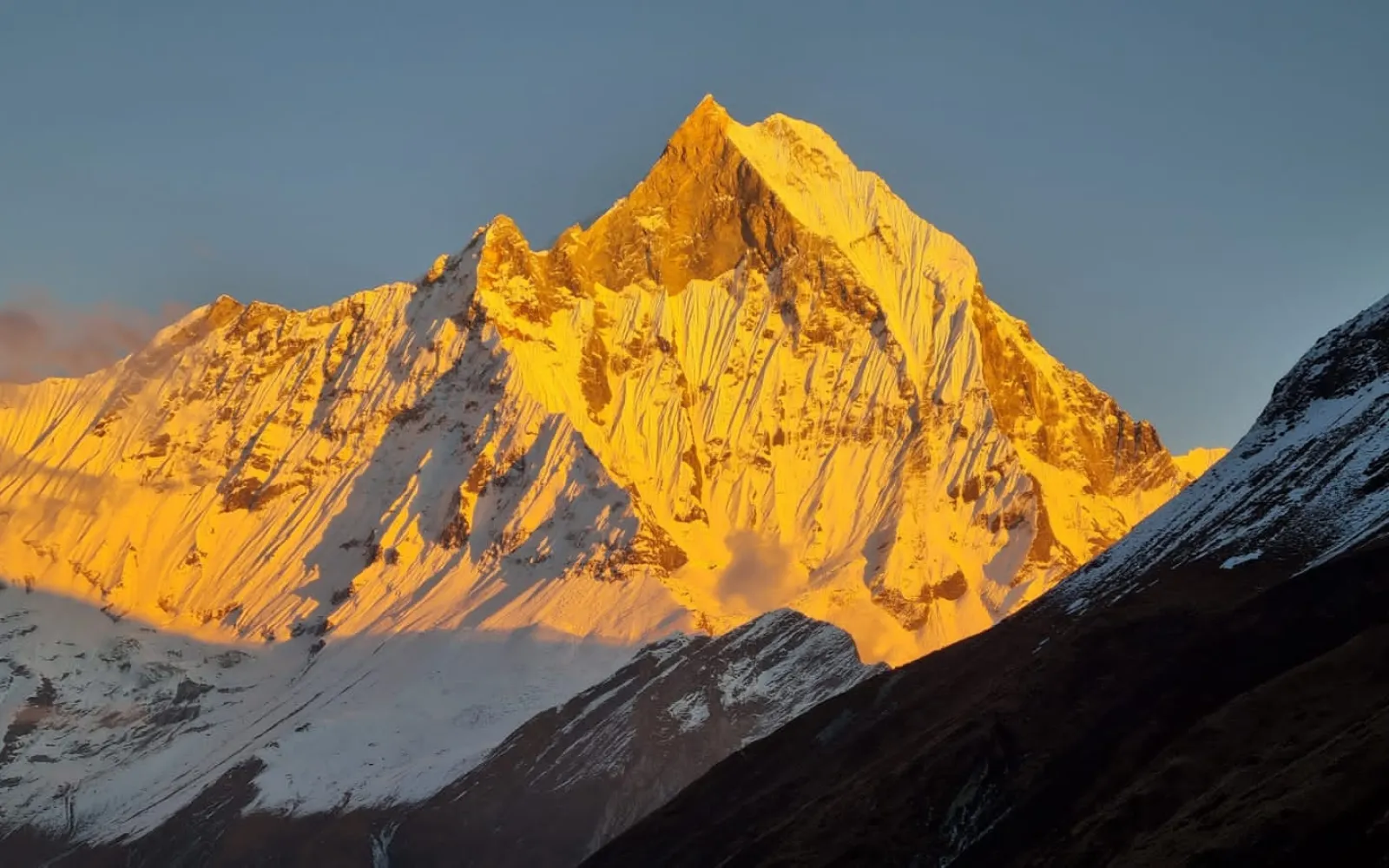
The Himalayas have sustained life, culture, and adventure for centuries. While local relief efforts continue in Rasuwa, the vast trails of Everest, Annapurna, and Manaslu remain as majestic, welcoming, and serene as ever.
Don't let sensational headlines keep you from the adventure of a lifetime. Keep your tickets, lace up your boots, and come experience the unparalleled warmth of Nepali hospitality.
Nepal is open, safe, and ready to welcome you.