Tales from the Trails
Discover the beauty of the Himalayas...
Everest Base Camp Trek Cost: Complete Guide, Permits and Budget Guide for 2027
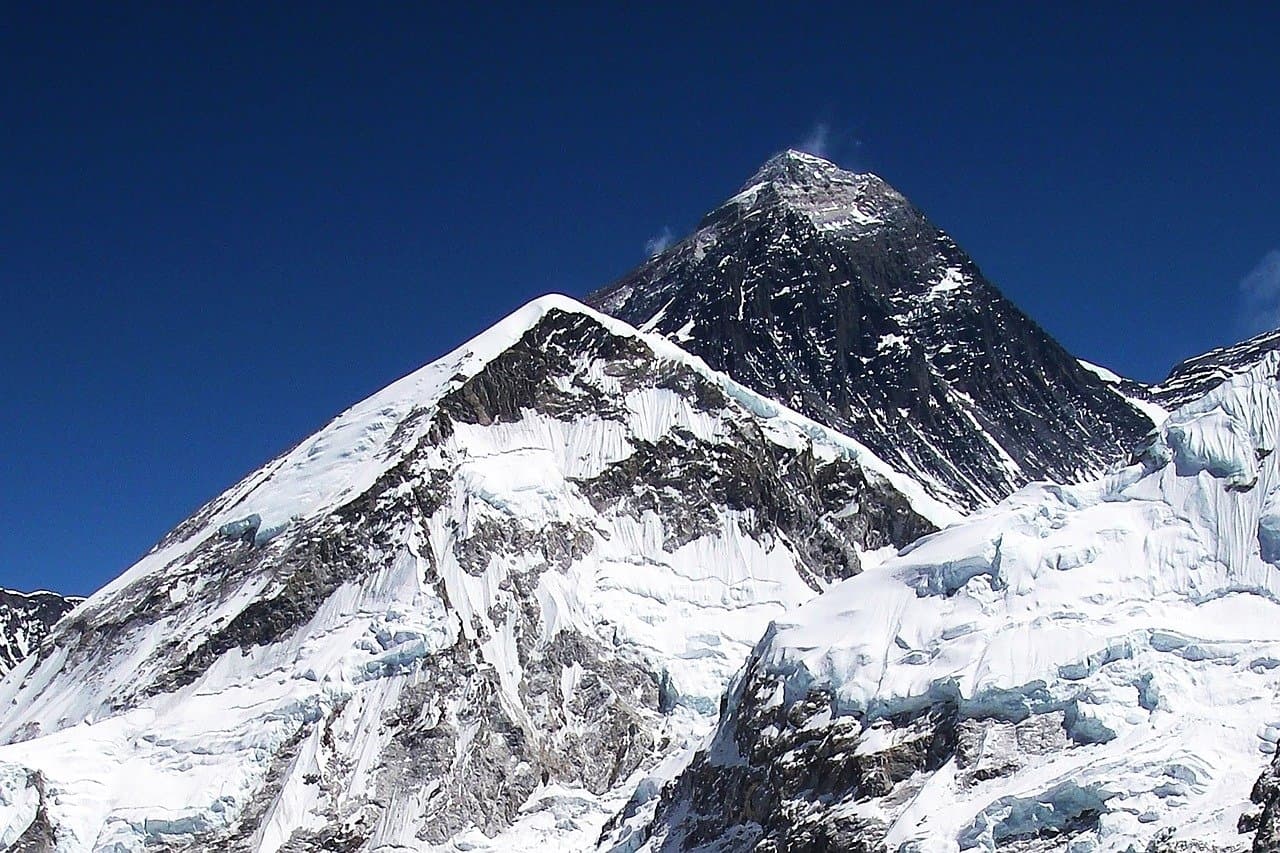
Planning to trek to the base of the world's highest mountain in 2027. One of the first questions that you will ask yourself is - ‘how much does it cost to do Everest Base Camp Trek’. Everest Base Camp (EBC) trek is one of the most famous Himalayan adventures in Nepal that takes you through the heart of the Khumbu region - home to the famous Sherpa people. Crossing over a rickety suspension bridge, trekking through mountain villages, ancient monasteries, and glaciers, you reach the Everest Base Camp at the foot of the mighty Everest. In 2027, a realistic budget for a standard Everest Base Camp trek with a guide can be in the range of USD 1,200 - 2,000, depending on the route, guide, porter, flights, accommodation, food, group size, and other factors. Tight budgets need careful planning whereas expensive and luxurious trips are much more expensive. This article explains some of the key elements affecting the price for an Everest Base Camp trek so that you can plan your expenses accordingly.
Annapurna Base Camp Trek Cost: Complete Guide, Permits and Budget Breakdown
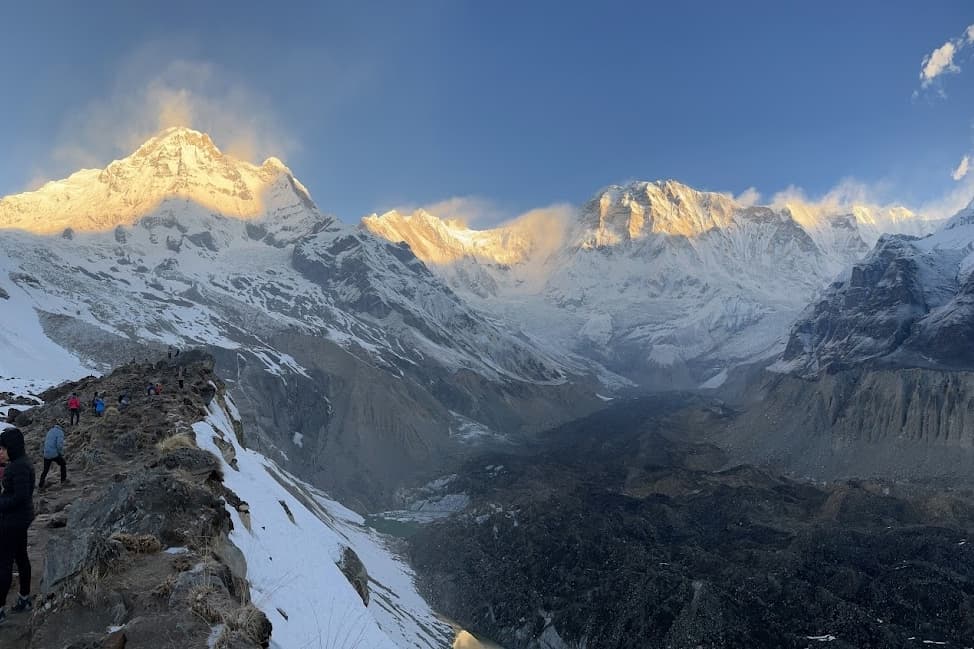
Are you planning an adventure of trekking through the Annapurna range of mountains? One of the first questions you will probably ask is How much does the Annapurna Base Camp trek cost. The good thing about Annapurna Base Camp (ABC) is that it’s a more accessible trekking destination for nepalese tourists. Unlike Everest Base Camp, you don’t have to fly domestically and get there from home. It will also be much simpler for you to travel with an affordable price tag. For 2026, a realistic Annapurna Base Camp trek cost is around USD 700-1,300 per person for a guided trek, depending on the number of trekking days, transportation, guide and porter arrangements, accommodation, food, and personal spending. A basic trip may be cheaper and a private/comfortable one much more expensive. This guide breaks down the major expenses so you can plan your ABC adventure without being surprised by costs along the way.
Manaslu Circuit Trek Cost: Complete Price & Permit Guide
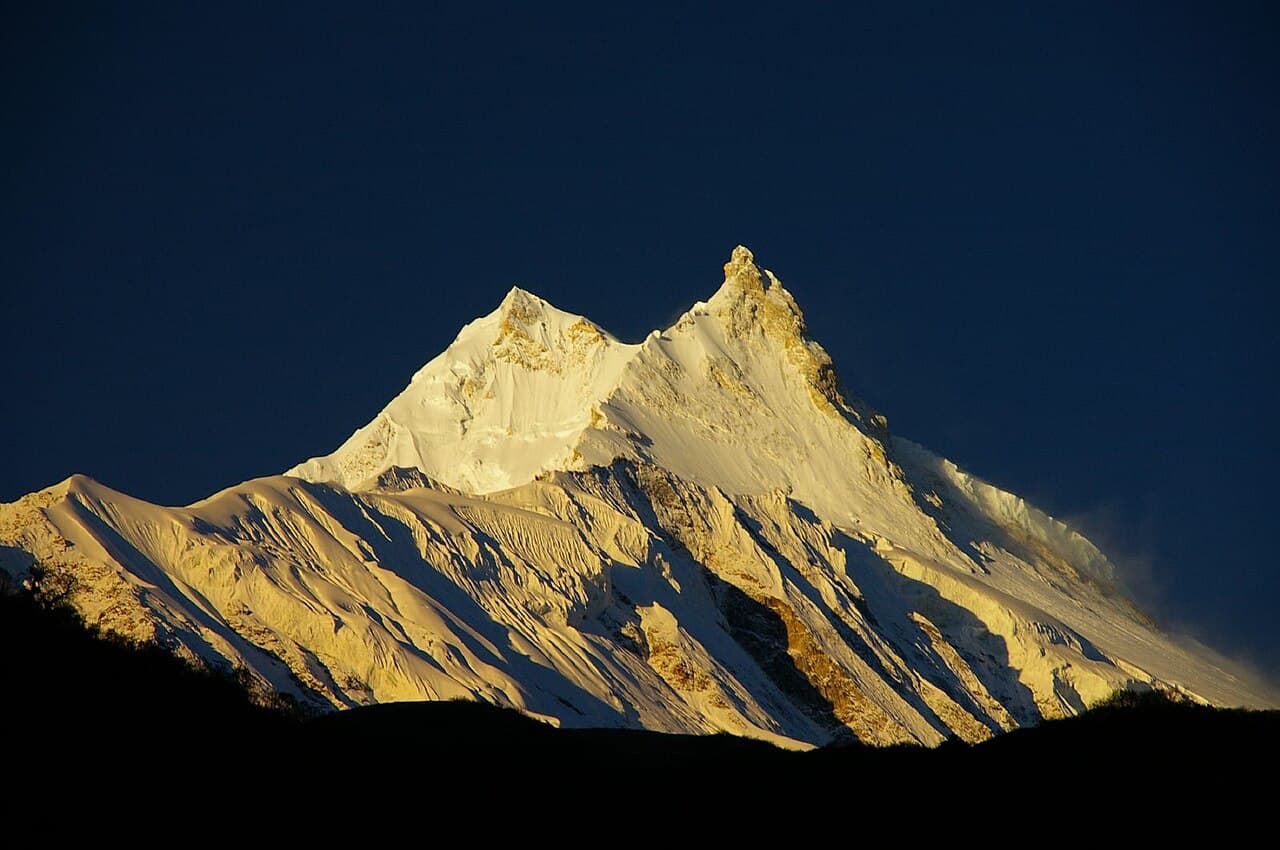
Manaslu Circuit Trek is a great adventure for Nepalese climbers and it’s worth knowing how much it costs to do this trek. Unlike some popular trekking routes of Nepal, Manaslu is a restricted trekking region. Your expenses should be for trekking permit, guide services (licensed), TIMS fees, conservation area fees, transportation, lodging, meals. How much is it to trek Manaslu Circuit? For most international travelers, a realistic overall budget is roughly USD 1,000-1,800 per person, depending on the length of the itinerary, group size, type of transportation, guide and porter arrangements, accommodation preferences, and personal spending. A more comfortable and personalized travel may cost much more. This blog will help you to understand how much it costs to trek Manaslu Circuit and plan your expenses accordingly so that you do not get caught off guard with extra costs while hiking.
Best Short and Affordable Treks in Nepal
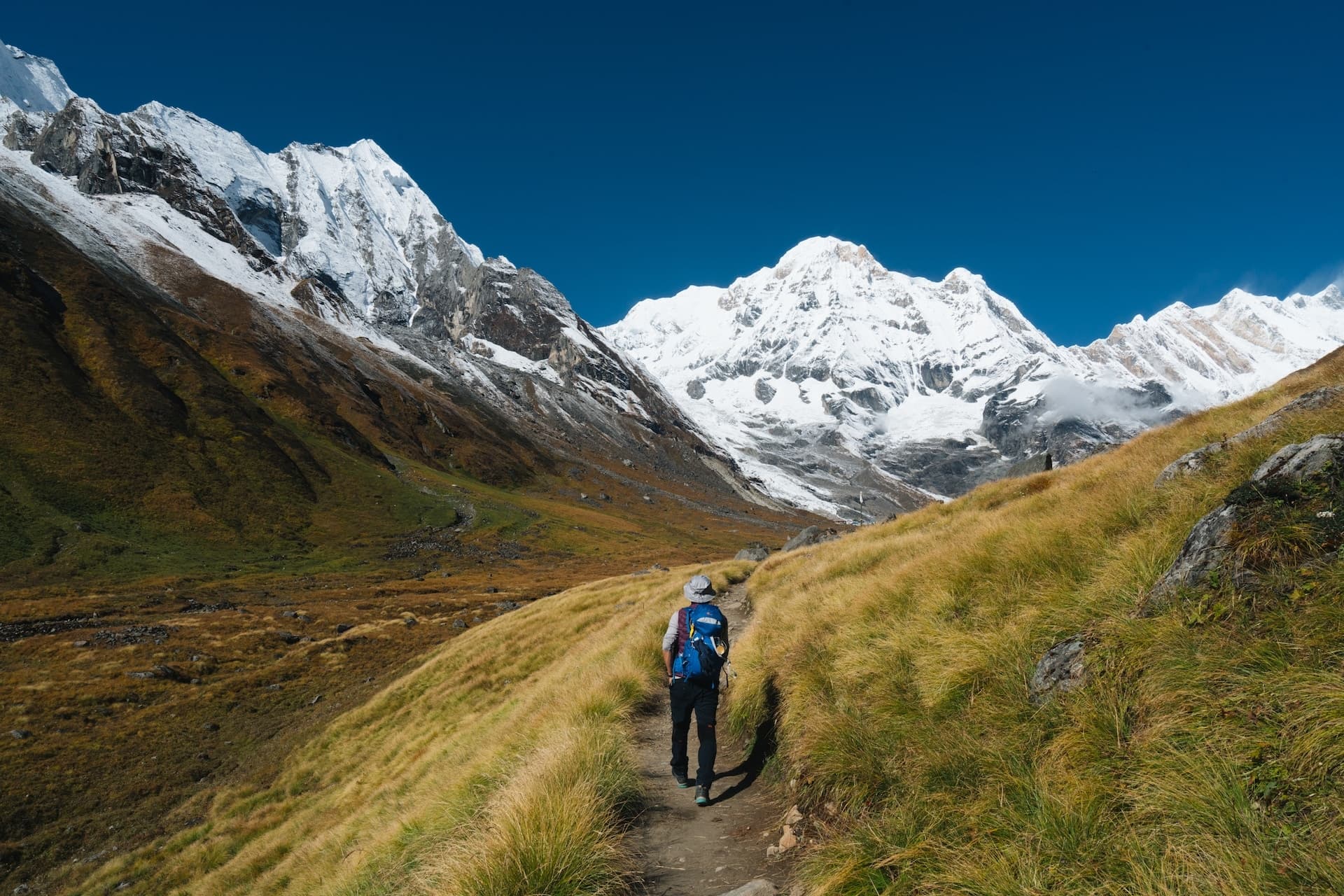
Nepal can be seen as an adventure destination to climb high mountains like himalayas and spend several weeks walking around remote mountain valleys. You don’t have to spend two to three weeks climbing mountains and seeing the beauty of the Himalayas. For those with limited travel time and budget, there are many short hikes available to do in Nepal with stunning views of mountains; friendly locals; gorgeous forests; and amazing Himalayan adventures. Short treks are particularly good to do if you are a beginner hiker, student, solo traveler, family member and tourist looking at sights while trekking around Kathmandu and Pokhara. The best part? A shorter trek will save you a lot on lodging, meals, transport and guides’ fees as compared to traveling through the Himalayas for an extended period. This blog will cover some of the best short and cheap treks in Nepal, their approximate duration, difficulty, highlights, and tips for keeping your trekking budget under control.
Machhapuchhre Base Camp: One Step Before Annapurna Base Camp
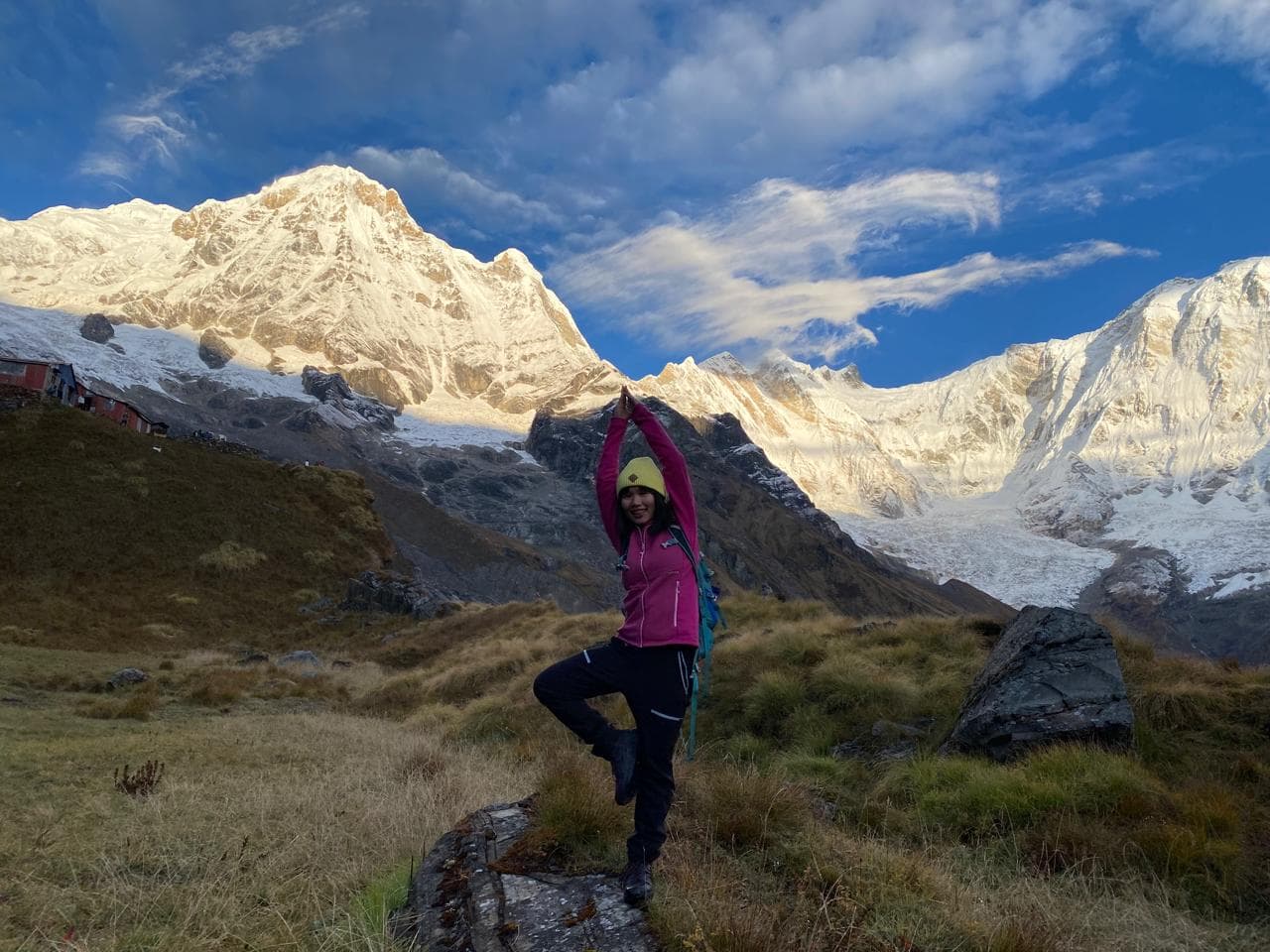
There is a moment—usually somewhere between the stone steps of Bamboo and the damp, narrow jaws of Deurali—when the Annapurna trail stops feeling like a pleasant mountain walk and starts feeling like an initiation. The trees thin out. The moisture-laden air of the lower Modi Khola valley grows crisp, biting, and noticeably light. You take a deep breath, expecting the rich scent of damp earth and moss, but instead, you catch the sterile, cold metallic tang of pure altitude. You are entering the sanctuary. Most people who strap on boots in Pokhara speak about reaching Annapurna Base Camp (ABC) at 4,130 meters as the ultimate prize. But ask anyone who has actually walked these stone paths, sat in the frigid dining rooms of the upper teahouses, and listened to the valley breathe at night: the true emotional core of the journey isn't ABC. It’s Machhapuchhre Base Camp (MBC). Sitting at 3,700 meters above sea level, MBC isn't just a rest stop or an acclimatization check-point before the final push. It is a cathedral of rock and ice built around a mountain that humans are forbidden to touch.
Manaslu Trek Permit: Cost, Requirements & How to Get One
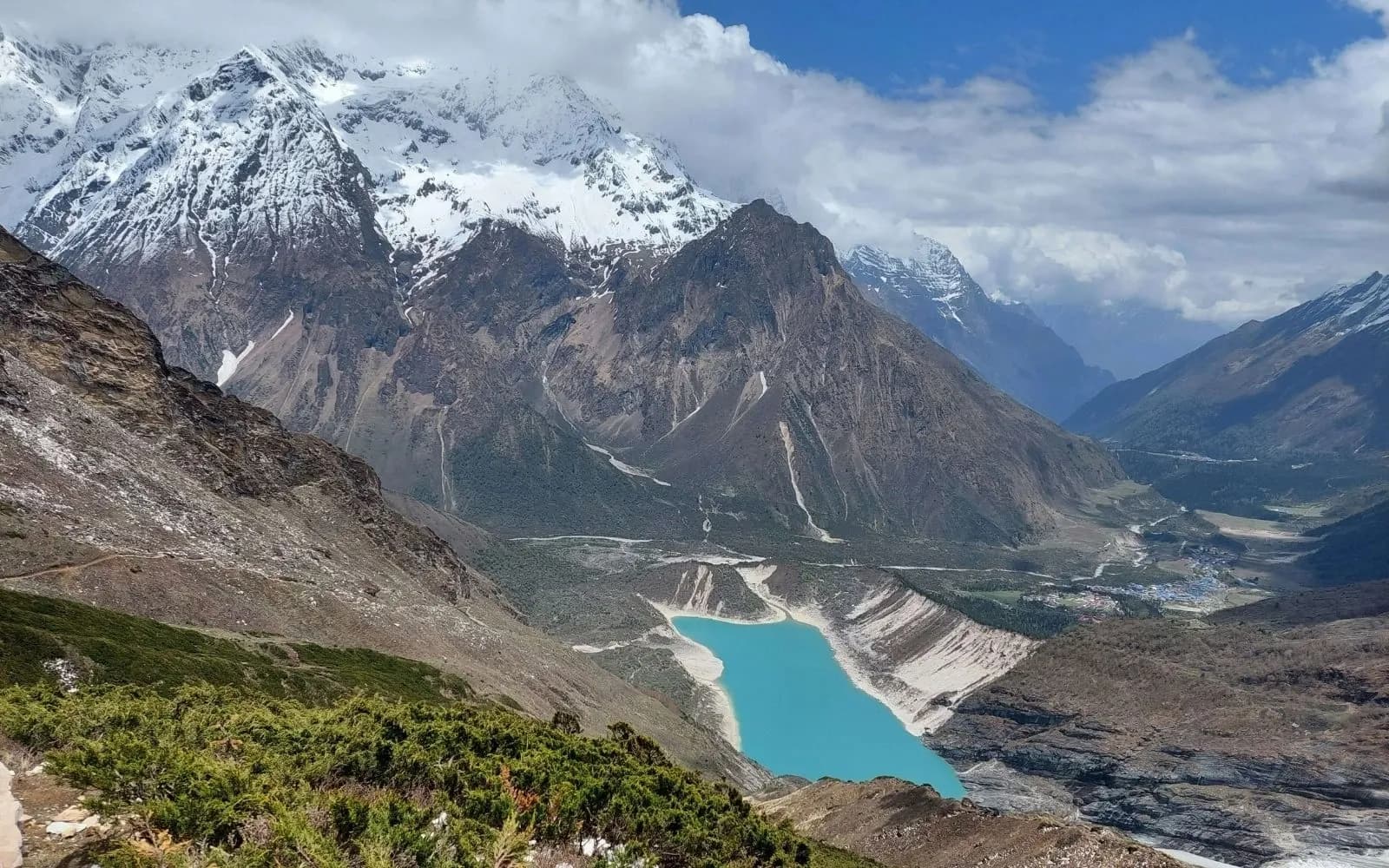
Planning the Manaslu Circuit Trek? One of the first things you need to understand is the permit system. The Manaslu region is a restricted trekking area, unlike many popular trekking routes in Nepal. Trekkers need specific permits before entering the Manaslu region. There are several permits involved, including the Manaslu Restricted Area Permit (MRAP), Manaslu Conservation Area Permit (MCAP), and Annapurna Conservation Area Permit (ACAP). If you add Tsum Valley to your itinerary, you will also need a separate permit. The trek must be arranged through a registered trekking agency.
5 Safe Treks in Nepal 2027: Finding the Right Himalayan Route for Your Journey
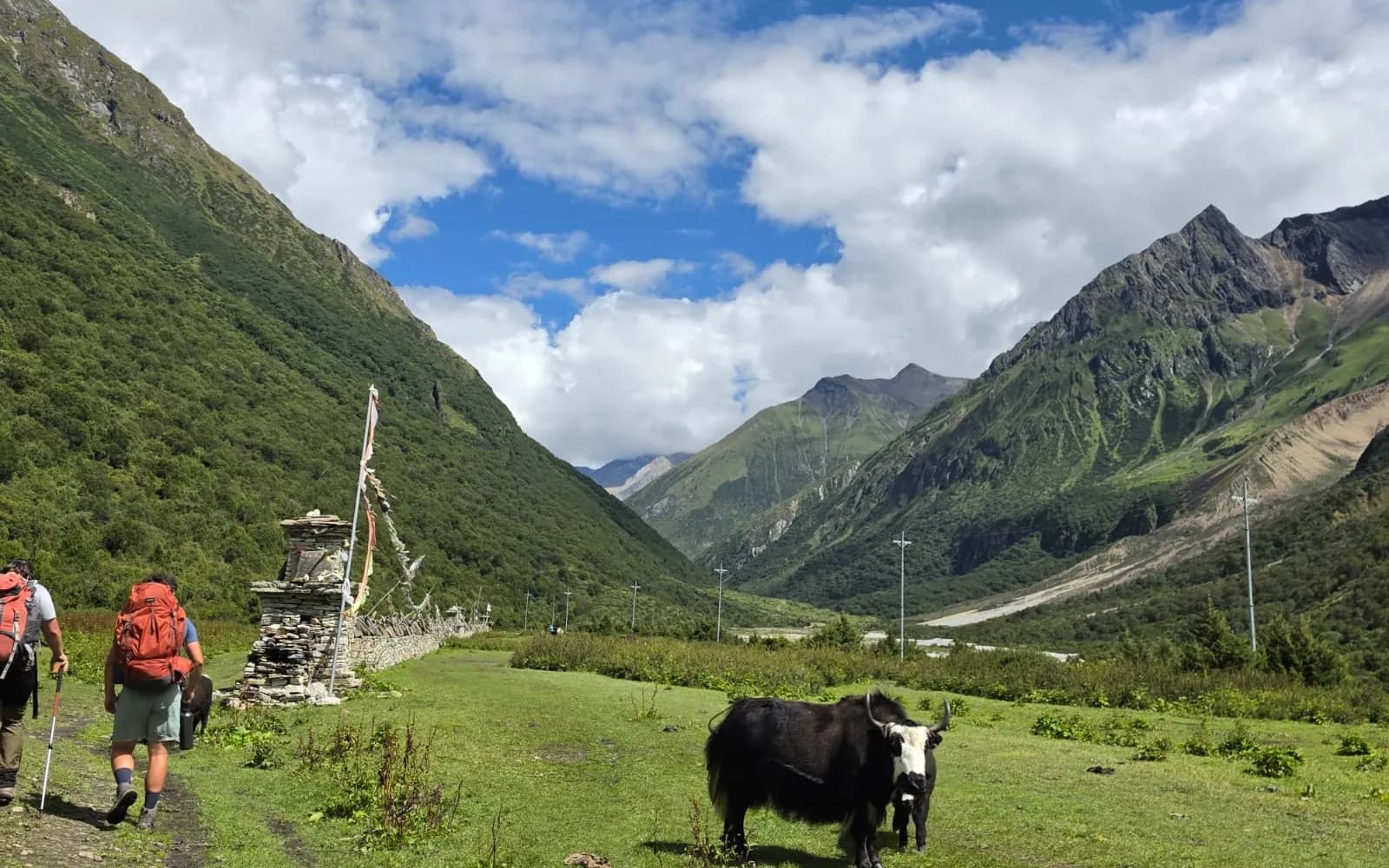
Nepal has a way of stealing your heart long before you step onto the trail. It’s home to eight of the world's fourteen highest peaks, but it’s not just the altitude that keeps people coming back. It’s the smell of pine in the morning, the ring of donkey bells on high suspension bridges, the taste of hot dal bhat after an eight-hour walk, and the warmth of the tea house hosts who welcome you in at dusk. Today’s blog is about 5 Safe Treks in Nepal 2027 and Autumn Season 2026. In the middle of the chaotic and traumatic time of Rasuwa Floods, these are the 5 safe yet promising treks to do in Nepal. Help Nepal by booking these treks or any treks from Annapurna, Manaslu, and Everest region of Nepal. If you’re planning your first or next trip to Nepal, picking a route can feel overwhelming. Every trail promises huge views, but each has a distinct character, pace, and physical demand. Here’s a practical, honest look at five of Nepal’s finest treks—from famous bucket-list journeys to quiet ridge walks—to help you decide which one belongs on your itinerary.
Everest Base Camp vs Annapurna Base Camp: Which Costs More?
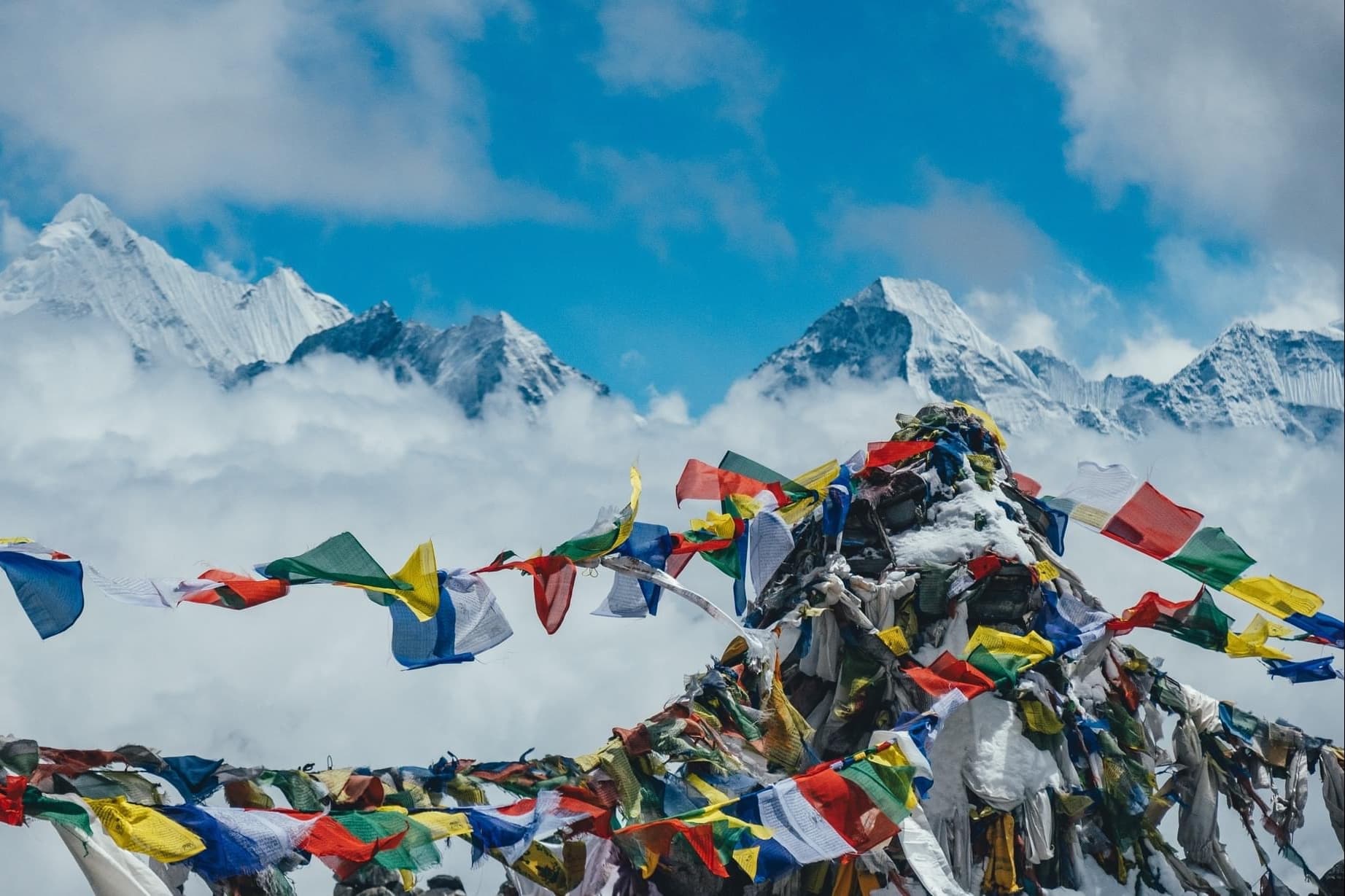
Everest Base Camp, Annapurna Base Camp is likely to come up for you while planning your trip to Nepal. Both treks provide beautiful mountain views, traditional villages, local culture, and an unforgettable experience in the Himalayas. However, there’s a practical issue that most hikers ask themselves prior to choosing an itinerary. Which is more expensive Everest Base Camp vs Annapurna Base Camp. In most cases, Everest Base Camp (EBC) costs more than Annapurna Base Camp (ABC). Transportation is the biggest reason. Everest trekking generally starts with flying either to and from Lukla, whereas Annapurna Base Camp is accessible by road from Pokhara. However, it is determined by how much you trek. A budget EBC trek may sometimes cost less than a private, comfortable ABC trip. Group size, number of days, guide and porter services, food, lodging, transportation, and personal expenses all affect the final bill. The comparison here is between high-cost and low-cost trekking options to help you choose which one fits best with your finances.